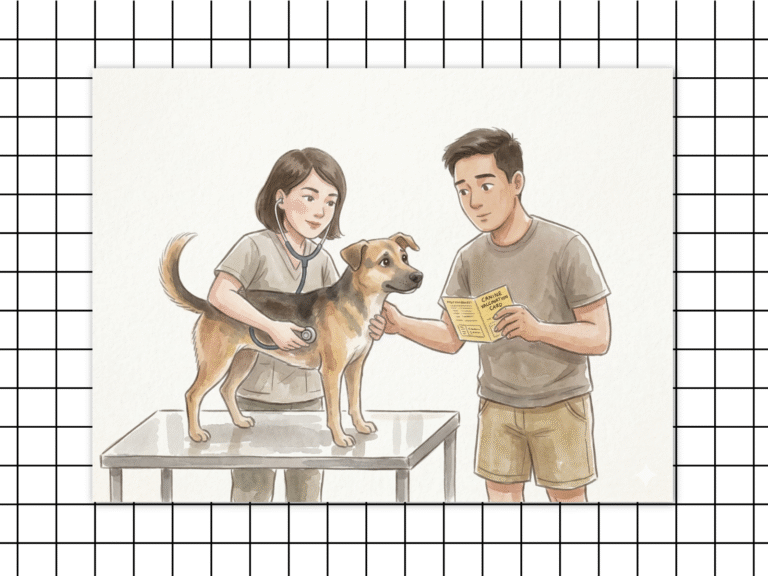
In this day and age, the internet is a vast resource for information. You would be remiss not to use it. In many ways, better pet ownership begins there. But what matters just as much as going online is knowing which websites or social media accounts you believe. Not all sources are equal, and not all advice is safe.
It usually starts with good intentions. A quick search. A symptom typed into a box. A scroll through forums that promise answers in minutes.
And to be clear, there is nothing wrong with learning this way.
But there is a line.
The internet is for knowledge-building. It is not for diagnosis. It is not for prescribing medication. And it is never a substitute for a veterinarian who can examine your animal, weigh their history, and calculate the right treatment—down to the exact dose.
Because when it comes to animal health, even small missteps can have serious consequences.
What the internet gets right
Many online resources are useful for building general knowledge. They help you understand preventive care, common conditions, and responsible practices like spaying, neutering, and vaccination.
They also open the door to community. This is where people discover rescuers and fosterers who have seen it all. Veterinarians use social media to debunk myths and share credible guidance. Pet owners managing chronic conditions—often with limited resources—offer lived insight. In the right context, this kind of shared knowledge is powerful.
Where online advice falls short
General advice should never be treated as a diagnosis. Symptoms like vomiting and lethargy can mean anything. Without a physical exam, medical history, and diagnostic tests, no online source can accurately determine what your pet is going through.
What works for one animal may not work for another—even when the symptoms look the same.
When to visit your veterinarian
Veterinary care goes beyond identifying symptoms. A vet considers your pet’s age, history, environment, and behavior. They perform physical exams, recommend tests, and prescribe treatment based on real-time findings—including precise dosing.
They also provide continuity of care—something no forum or content creator can replicate.
Seek veterinary care immediately if your pet:
- Needs guidance on diet or supplementation
- Shows sudden changes in behavior
- Has breathing issues (coughing, sneezing, wheezing, or difficulty breathing)
- Has a sudden increase or decrease in food or water intake
- Is limping, in pain, or having difficulty moving
- Has open wounds
- May have a fracture or trauma
- Has persistent diarrhea or vomiting
- Experiences seizures, disorientation, or loss of balance
When in doubt, err on the side of caution. Bring your pet to a veterinarian.
When it’s okay to rely on online resources
Use the internet to learn the basics—nutrition, training, vaccination schedules, grooming, and preventive care. It’s also a good place to prepare questions before a vet visit. The key is to seek guidance, not diagnosis.
It’s also a practical tool for access. You can find schedules for local spay-and-neuter programs, free vaccinations, and low-cost veterinary services—resources that make responsible care more possible.
Community still matters—but use the internet wisely
Many pet owners in the Philippines face real financial barriers to veterinary care. This is where local advocates and online rescue groups become essential. While they cannot replace professional care, they can point you to trusted veterinarians and more affordable options.
The instinct to share advice often comes from care. But there is a line—and crossing it can put animals at risk.
Used correctly, the internet supports responsible pet ownership. Use it to learn, prepare, and connect—never to diagnose or replace professional medical care. When it comes to your pet’s health, there is no substitute for a reliable veterinarian.