Summer in the Philippines can be very beautiful. It’s the best time to travel with family, pets, and friends to some of the country’s breathtaking beaches and cool mountain destinations. On the other hand, summer brings humidity and intense and the rise of animal vulnerability to heat-related illnesses.
How to spot pet dehydration
In a conversation with Dr. Regina Angela M. Delos Santos, DVM, resident veterinarian at the Horseshoe Pet Clinic, she shares the most common signs of dehydration. “One of the early signs of dehydration is excessive panting or drooling. This may occur as pets try to regulate their body temperature and cope with heat.”
Other physical signs to look out for include sticky or dry gums, sunken eyes, and loss of skin elasticity. “A simple way to check skin elasticity is by gently lifting the skin at the back of the animal’s neck,” Dr. Delos Santos shares. “If it does not quickly return to its normal position, it may indicate dehydration.” There are also behavioral changes to look out for, such as lethargy and reduced appetite.
How to help pets suffering from dehydration
1. Bring pets to a cool, shaded, and well-ventilated area
If any symptoms of dehydration are observed, it’s important to move pets to a cool and well-ventilated area while reducing their physical activity so they can recover properly.
2. Don’t force them to drink
“Avoid allowing them to consume large volumes of water all at once as this may cause them to vomit,” says Dr. Delos Santos. “If the pet is too weak to drink on its own, avoid forcing water into their mouth since this may lead to choking or aspiration.” Instead, make sure the animal has access to cool, clean water at all times. Also make sure that the receptacle is topple-proof, so that opportunities to drink are not lost.
3. Lower the pet’s body temperature
According to Dr. Delos Santos, pet owners can lower a pet’s temperature by placing their body under running water and using a fan to blow air over their damp skin. “Avoid the use of excessively cold water,” she adds.
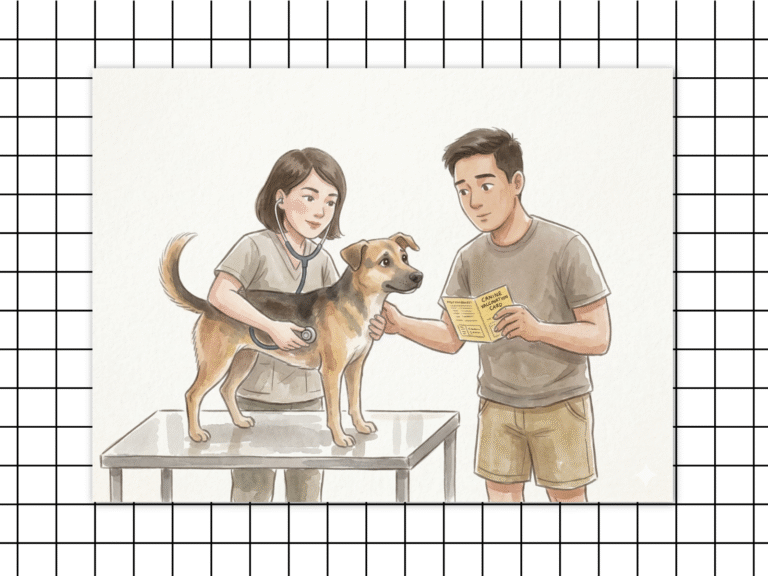
These steps can help stabilize pets temporarily, but if the signs of dehydration are severe and are not improving quickly, fur parents need to seek veterinary care as soon as the pet is stable for transport. “Always remember: cool first, transport second,” says Dr. Delos Santos.
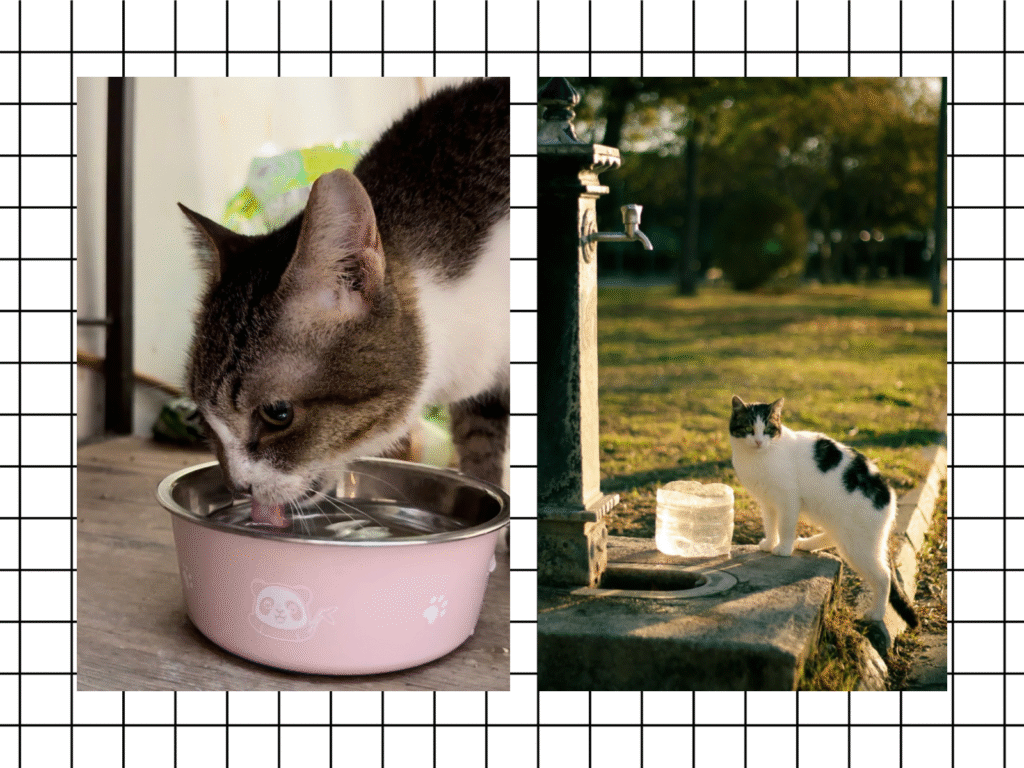
When it comes to helping community animals suffering from dehydration, it’s important to approach the animal calmly and cautiously. “Unfamiliar animals may be frightened or defensive. Once deemed safe, you can place a bowl of clean water nearby and allow the animal to approach and drink at its own pace,” Dr. Delos Santos shares.
Animal caregivers can also guide dehydrated animals to a shaded or cooler area to prevent further fluid loss from the heat.
How to encourage pets to drink water
1. Make clean drinking water available at all times
“Place multiple water bowls around the pet’s living area, so they can drink conveniently wherever they are sitting or playing,” Dr. Delos Santos says. “In a household with multiple cats, have the number of water bowls equal to the number of cats plus one.” She explains that having more water bowls helps reduce competition and ensure each cat has easy access to water.
2. Pay attention to the pet’s drinking preference
Animals, much like humans, also have drinking preferences. “Some pets may drink more if the water is lukewarm. Others may prefer cold or even iced water, especially during very hot days,” says Dr. Delos Santos
Dehydration is a serious health emergency that needs to be treated immediately. Familiarity with its symptoms, understanding first aid treatments, and immediate medical intervention can save an animal’s life.
If you suspect your pet or any animal in your community is suffering from dehydration, contact your veterinarian immediately. Dr. Regina and her hardworking team are available for consultations and emergencies at Horseshoe Pet Clinic. For inquiries and appointments, you may send a Viber message to 0906 568 8378.