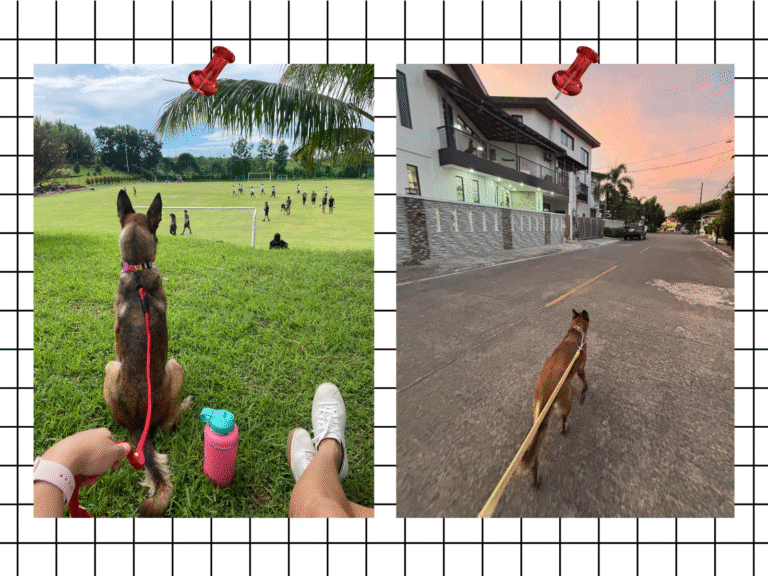
A walk with your dog—or even exploring outdoors with your cat—is a special moment. It’s time to bond, teach a few things, decompress, and get some exercise together. It’s also a chance to experience new places and small adventures.
For both dogs and cats, sniffing isn’t just a habit—it’s mental stimulation. It helps them process the world.
But these moments should always come with responsibility and respect for other lives around us.
Sharing Space With Others
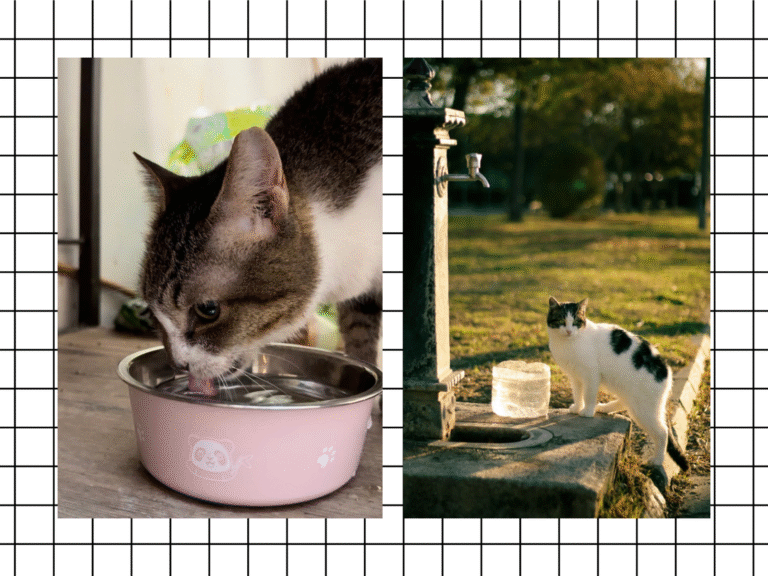
Open spaces, parks, and even malls now accommodate pet owners. Many communities also have volunteers who feed, vaccinate, and care for resident cats and dogs. “Community animals” is a more respectful term than “strays” because, like us, they’re simply trying to survive.
That means every pet owner needs to stay vigilant. Know your pet. Be aware of your surroundings. Educate yourself on how to handle situations where your pet may show aggression—regardless of size or breed.
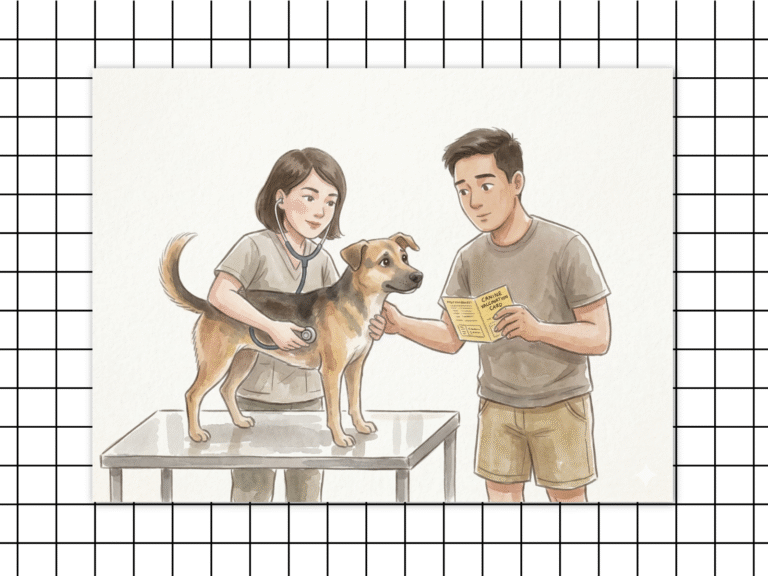
Also, make sure your pet’s anti-rabies vaccine is always up to date. It protects them, you, and everyone else.
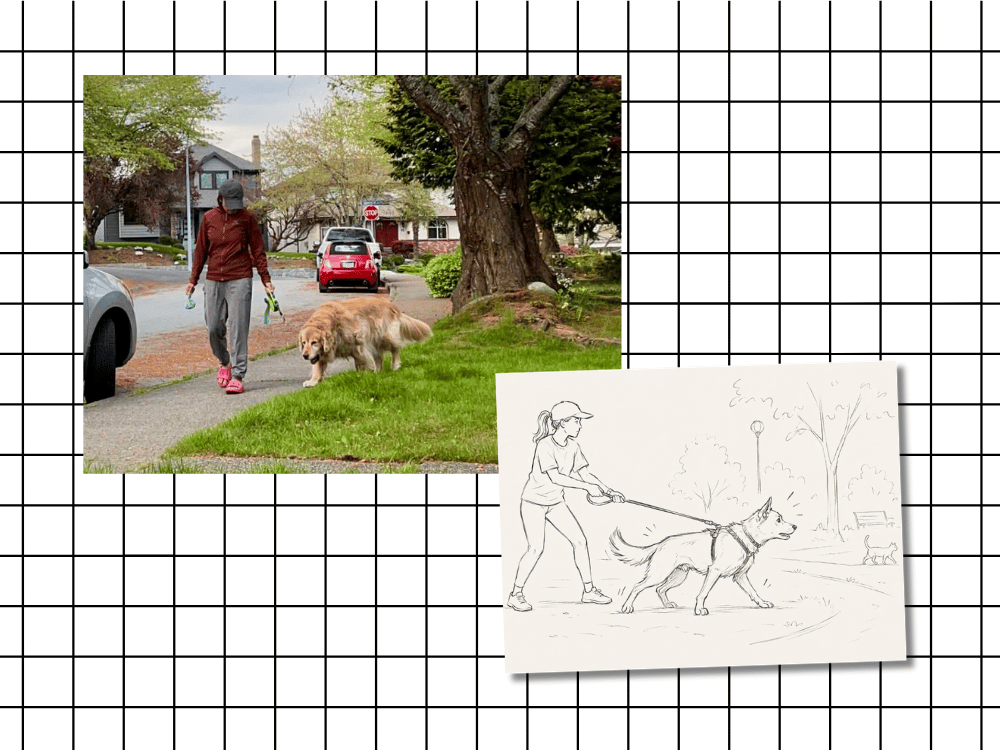
If you notice your pet becoming alert, tense, or reactive around other animals or people, it’s your responsibility to manage that situation. We are their advocates.
Prevention Starts Early
The best way to prevent issues is early socialization. Many aggressive reactions stem from fear, confusion, or lack of exposure—not simply “bad behavior.”
When walking or exploring, always keep a safe distance from others, especially if your pet shows signs of high prey drive.
Here are some things to keep in mind to help avoid incidents like dog fights or attacks on smaller animals:
Some dogs have a naturally high prey drive due to genetics and selective breeding. This instinct can be managed and reduced through training, but it’s not realistic to assume it can be completely removed.
Before getting a dog, research the breed’s tendencies. For mixed breeds or aspins, observe their behavior closely—both at home and outside.
If your dog shows aggression toward animals or people, professional training is strongly recommended. A good trainer can make a significant difference.
Practical Handling and Environment
If that’s not possible, practice cautious handling. Choose quieter walking areas, avoid crowded spaces with many animals, and consider using a properly fitted basket muzzle during training or desensitization. It should be breathable and comfortable—never use it for long periods or during intense activity to avoid overheating or heat stroke.
Always check your surroundings and plan your route. Many parks have community animals. It helps to walk the area alone first to observe and understand the environment.
Reading Your Dog’s Body Language
Dogs with high prey drive often show signs before reacting. These cues can be easy to miss, but they matter. Not all tail wagging means friendliness—sometimes it signals arousal or anticipation.
Signs that your dog is already overstimulated or fixated before showing aggression can be subtle but important. Watch for:
- A sudden stiffening of the body
- Intense staring (often at something you may not even notice)
- “Whale eyes” (showing the whites of the eyes)
- Slow, deliberate movement or stalking
- A stiff tail or tight, rigid wag
The moment you notice these signs, pause and assess. Your dog will often detect things before you do.
What to Do When Your Dog Fixates
Once you notice these behaviors, act early and stay in control:
- Pause immediately
- Secure your dog’s leash
- Make sure you have a stable stance in case your dog tries to lunge or chase
- Try to calmly break your dog’s focus and redirect their attention back to you
If your dog has already locked onto something:
- Redirect immediately
- Change direction if possible
- If not, shorten the leash for better control
- Stay calm but firm
- Use a quick, controlled leash correction if needed—not harsh, just enough to break focus and guide their attention back to you until you pass the trigger
If your dog doesn’t respond to redirection:
- Create distance from the trigger
- If moving away isn’t possible, hold your position
- Keep your dog close and under control
- Allow the other animal or person to pass safely
- You can continue on your path afterward—but stay alert and prepared.
What Not to Assume
When your dog shows signs of stimulation or fixation, don’t assume they’re just excited or wanting to play, even if they’ve never shown aggression before. It only takes one sudden movement or moment of stress for a dog to react.
Also, don’t assume the area is clear just because you don’t see anything. Dogs rely heavily on scent and hearing, and they can detect things we can’t. It’s always better to stay cautious and proactive.
Control, Safety, and Small Details
Avoid putting yourself in situations you can’t physically control. Don’t walk multiple strong dogs if you can’t handle them safely. It’s not worth the risk.
Reward calm behavior. Reinforce self-control with treats or simple praise like “good boy.”
If you’re using a slip leash, be mindful of pressure. Improper use can cause choking or injury—I’ve seen this happen firsthand.
Respecting Community Cats
Community cats usually stay in one area if they have a reliable food source and shelter. Since cats are highly territorial, it’s a good idea to note the specific location whenever you come across a colony.
Learning Through Experience
If you want to learn proper dog handling, I highly recommend joining Biyaya Animal Care’s Sunday walks at Ayala Triangle Gardens. You’ll get to interact with rescued dogs who are up for adoption and learn how to handle them in real-life situations.