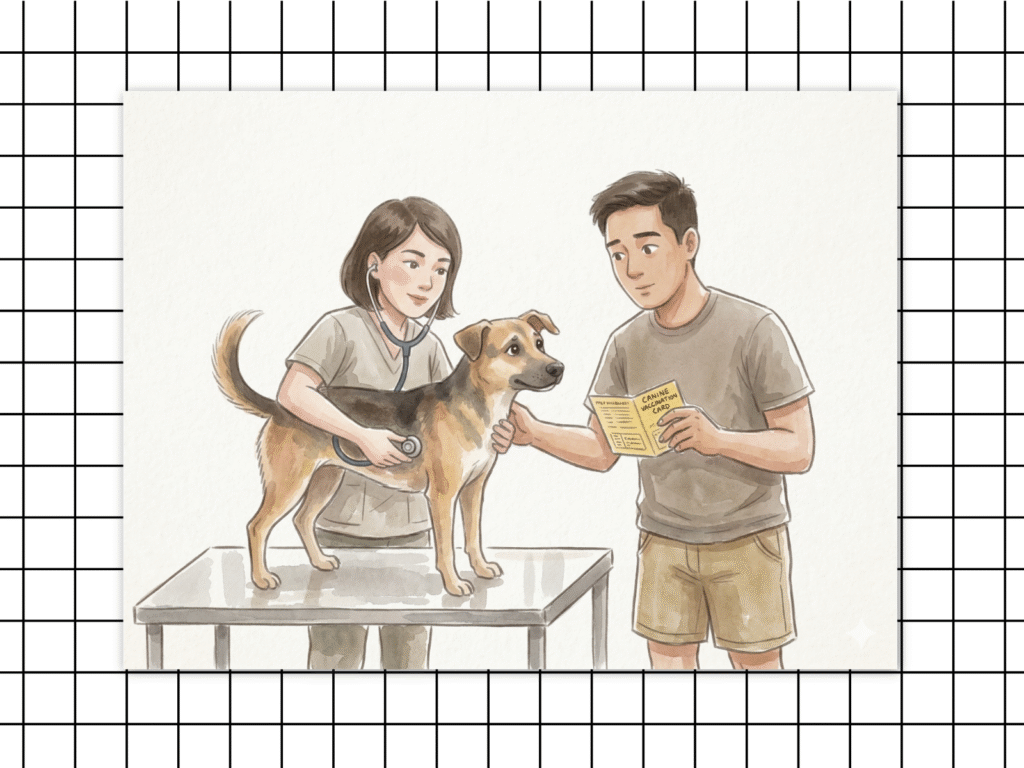
Care is rarely a solo act. Behind every healthy, thriving pet is a partnership between the pet parent who pays attention to the animal, and the veterinarian who steps in with trained eyes and informed care. The work of caring well lives in that space between them: in what is noticed early, what is acted on in time, and what is entrusted to expertise.
Every pet deserves not just love, but attentive, informed care. To care well is to understand your animal’s needs, recognize early warning signs, and know when to seek help.
Regular check-ups and preventive care are the foundation. Prevention is almost always better, and often more affordable, than treatment.
Paying daily attention to your pet’s appetite, energy, behavior, and bathroom habits can make the difference between catching a minor issue early and facing a medical emergency.
This is where partnership becomes real. The pet parent observes, documents, and responds. The veterinarian interprets, diagnoses, and treats. Neither role replaces the other. Together, they create the conditions for a healthier, more stable life.
This guide encourages pet owners to become proactive partners in their pets’ overall health by combining compassion with responsibility. Whether you’re a rescuer or new to pet parenthood, knowing when and how to seek veterinary advice is key to ensuring your pets live their happiest, healthiest lives.
What follows are practical ways to strengthen that partnership.
Maintain a pet profile.
List each pet’s age, weight, breed, and health history. Some treatments are breed-specific, for instance, dogs with the MDR1 gene mutation (like Collies, Australian Shepherds, and Whippets) can react adversely to certain medications.
Track weight regularly.
Monthly weigh-ins are sufficient for healthy pets, but if monitoring weight changes (due to obesity, illness, or loss of appetite), weekly tracking is better.
Provide a balanced diet.
Choose a complete, balanced diet suited to your pet’s species and needs. For cats, this means a protein-rich, meat-based diet—they are obligate carnivores and rely on nutrients found only in animal tissue. For dogs, a balanced diet can include high-quality animal protein alongside pet-safe vegetables and carbohydrates, depending on their needs and activity level. If preparing meals or exploring alternative diets, rely on credible veterinary nutrition sources and consult your veterinarian when needed. What matters is not just what we feed, but whether it truly meets the animal’s biological needs.
Support healthy bathroom habits.
Good care often shows up in the most routine moments. For cats, ensure there are enough litter boxes in the home (a common guideline is one per cat, plus one extra), and keep them clean.
For dogs, regular opportunities to go outside are essential. Avoid making them hold urine or stool for long periods, as this can lead to urinary or digestive problems. Consistent routines support both physical health and overall well-being.
Observe stool and urine.
Daily routines offer some of the clearest signals of your pet’s health. For both cats and dogs, watch for changes in color, consistency, frequency, or the presence of blood in stool and urine—these can be early signs of illness.
For cats, regular litter box cleaning allows you to monitor these changes closely. Using a light-colored litter can help make abnormalities—such as blood-tinged urine or unusual discoloration—more visible. For dogs, take note during walks or clean-ups. Loose stool, constipation, straining, or visible blood should not be ignored.
Ensure clean hydration.
Provide fresh, clean water daily, and wash bowls regularly. Excessive or minimal drinking may indicate health concerns, such as diabetes or chronic kidney disease (CKD) consult a vet if you notice sudden changes.
Learn about common diseases.
Educate yourself on diseases common to your pet’s species and breed. The goal isn’t to worry but to recognize symptoms early.
Identify environmental hazards.
Keep toxic household plants, chemicals, and human medications out of reach. Bee cautious with poisonous frogs and toads, which can be lethal if licked or bitten by pets.
Document symptoms.
If your pet becomes ill, record details such as timing, photos, videos, and descriptions of their vomit, stool, or unusual behavior. This documentation greatly assists your vet in diagnosis.
Plan for emergencies.
Maintain an emergency fund for vet visits so you can act promptly when needed. Identify a 24 hour or late-night clinic near you or accessible to you. Consider the traffic during late hours as well.
Stay current on vet care.
Keep vaccines, flea/tick prevention, and deworming up to date. I will also emphasize spaying or neutering offers long-term health benefits and helps prevent overpopulation.
Use treats and toys wisely.
Choose safe, high-quality treats and toys. Moderation is key as too many treats can lead to weight issues. Play sessions of 30 minutes to an hour are ideal to prevent boredom and maintain interest.
Encourage daily activity.
Dogs need regular walks, while indoor cats benefit from vertical spaces and enrichment to keep them active. Stimulation is the key for our feline pets.
Support relaxation and sleep.
Manage your pet’s stress and excitement levels, ensuring they have time to rest and recover.
Schedule regular check-ups.
Annual exams are essential. Senior pets may need check-ups every 3–6 months. Don’t overlook dental health and schedule cleanings as recommended by your vet.
Ask questions at the vet.
Use appointments to learn about blood tests (CBC, biochemistry panels), vaccination schedules, or diet advice. Keep all medical records organized for future reference. I’m sure your vet is more than willing to educate you.
Know when to act quickly.
If your pet shows alarming symptoms like heavy bleeding, seizures, or collapse, go to an emergency vet. For milder but concerning signs (loss of appetite, mild fever), contact your vet promptly. Stay calm and assess logically before deciding the urgency.
Choose your vet wisely.
Research reputable clinics nearby, check reviews (mindful of biases), and note their pricing for common tests and procedures. Having a main vet and a backup emergency vet is ideal. Of course, I strongly recommend Biyaya Animal Care hospital. Follow their pages for more information.
Caring well is not about knowing everything. It is about paying attention, acting with intention, and recognizing that good care is built through partnership, that, when done right, allows our animals to live not just longer lives, but better ones.