Yet another community animal has succumbed to the negligence of irresponsible pet ownership.
Ghost, a beloved community cat of McKinley West in Taguig City, was fatally wounded following a brutal attack by three Huskies out on an evening walk with their owner. Ghost’s death, like so many before him, was a preventable tragedy. Such incidents are the inevitable result of ill-equipped owners handling animals they are fundamentally unable to control.
Accountability is often absent following these attacks. When purebred dogs cause harm, owners frequently respond with clinical detachment rather than remorse. This reveals a systemic bias: that a community animal’s life is an acceptable casualty when animals of a certain pedigree are involved.
Ghost’s death was preventable. It shows a lapse in control and responsible, attentive pet guardianship.
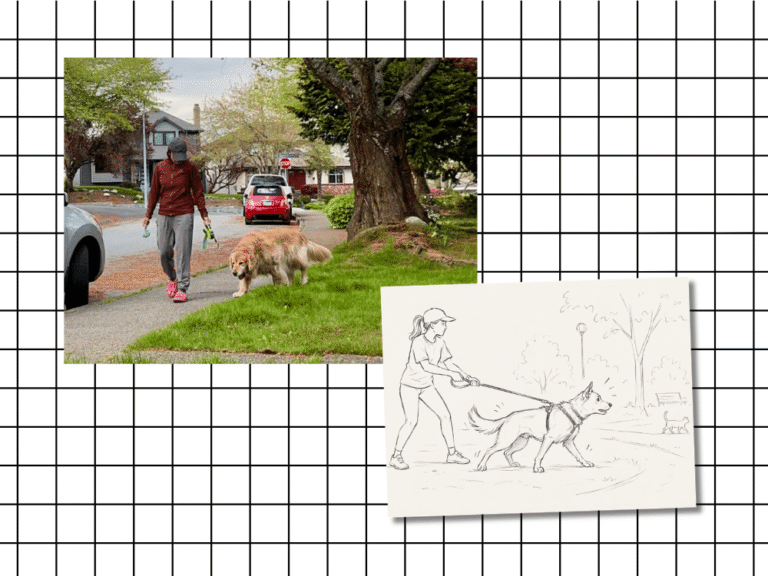
Public spaces require competent handling, not just expensive collars. Here are the non-negotiable dos and don’ts of walking your dog.
DO invest in proper training
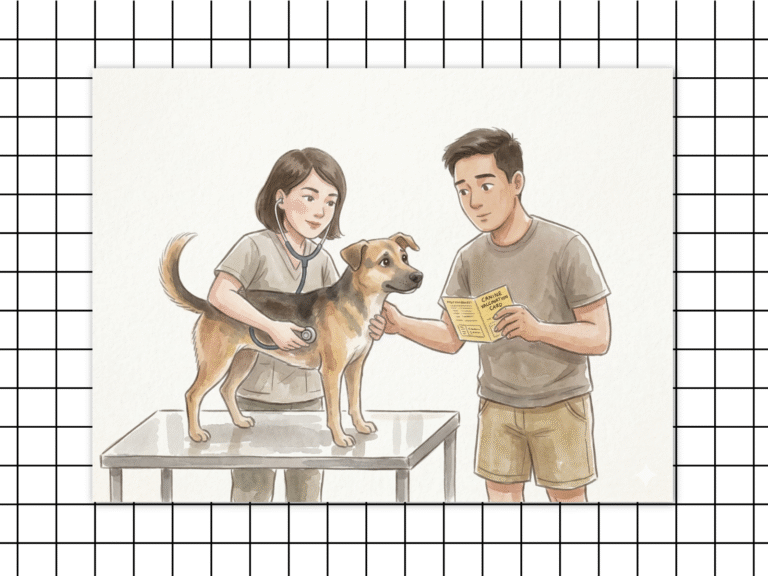
Simply making your dog wear a leash or harness isn’t enough. Start training your dog during the first year of their life, and expose them to different scenarios to get them socialized. According to the SPCA of Wake County, a 7-week-old puppy should already have been in 7 different locations, such as the backyard, the garage, or the neighbor’s yard.
Exposing your dog to different controlled environments can help you understand their temperament and teach them important lessons, such as not pulling on their leash or barking at everything they see.
Bring plenty of treats during your first walks to reinforce positive behaviors, such as checking in, leaving things alone, and not pulling on the lead.
DO choose your leash wisely
The American Kennel Club says a narrow-width, lightweight leash is strong enough to hold a small dog. Meanwhile, larger or stronger dogs need sturdy leashes made from durable materials like nylon or leather.
In busy or shared spaces, it’s best to use shorter, fixed-length leashes over retractable ones. The goal is simple: your dog’s leash should match their size, strength, and behavior so you can keep them secure without restricting safe and comfortable movement.
DO get to know your neighborhood (and your dog) well
If you feel anxious about walking along a busy and unfamiliar street, imagine how your dog feels doing the same at ankle level. Before taking your dog for a walk, take a stroll around your neighborhood first. Familiarize yourself with the establishments, crowds, and traffic.
Pay attention to the other animals in the community as well. Shared spaces are meant to be safe for everyone–not just you and your pet. It’s also best to pick a strolling path that isn’t congested.
If you must walk along busy streets with children, people, and other animals, keep your dog on a short leash. If your dog is hard to control in public spaces, have them wear a muzzle, just for an added layer of safety.
DON’T be distracted by your phone
Your attention should stay on your dog at all times. By being present, you’ll be able to observe how your dog responds to people, other animals, traffic, and sudden noises, and give you ample time to intervene if needed.
Avoid wearing noise-canceling headphones, keep your hands free and maintain a secure grip on the leash, and stay alert on narrow pathways and entrances. If you need to use your phone, stop walking and move aside to where you and your dog don’t inconvenience the public.
DON’T walk your dog in public spaces if you can’t control them
If your dog doesn’t consistently respond to basic commands or tends to lunge, bark excessively, or act unpredictably, it’s best to avoid crowded areas until these behaviors have been addressed.
Being a responsible owner means being honest about your dog’s obedience and your own ability to handle them. If your dog isn’t 100% reliable yet, or if you struggle to physically restrain them, stay away from busy areas. Stick to quiet paths and controlled settings until you are certain you can keep your dog, and the rest of the community, safe.
Remembering Ghost
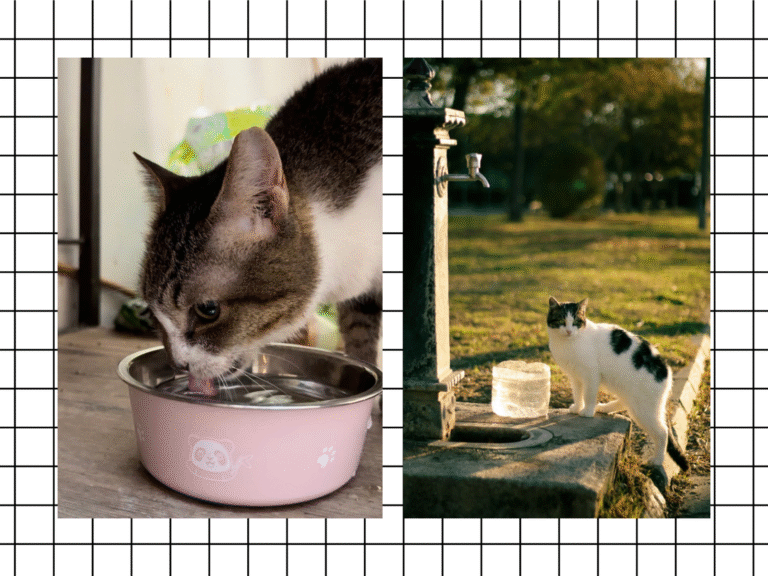
Taking your dog into public spaces requires responsibility for both your pet and those around you, including other animals. Ghost’s life mattered. His death serves as a stark reminder that public spaces are shared, and the safety of community animals depends entirely on the discipline of the owners passing through.
Genuine care for animals cannot be selective. It doesn’t end with the ones we call our own. And responsibility doesn’t end at your own front door. It requires a baseline of respect and control that protects every animal you encounter, not just the one on your leash.