Have you been thinking about welcoming a dog into your home? Recent articles from news sites such as The New York Post and CNN have said that the release of the Superman movie earlier this year has spiked interest in dog adoption. That’s awesome! Adopting a dog could be one of the most rewarding decisions you ever make, but there is more to it than just the excitement of bringing a new furry companion into your home. It’s a commitment that requires research and preparation.
Whether your new best friend came from a shelter, a rescue group, or the streets, they deserve a home that’s truly ready for them. Beyond being mentally and financially prepared, this guide will walk you through some essential steps to keep your new family member healthy and protected.
A Vet Visit
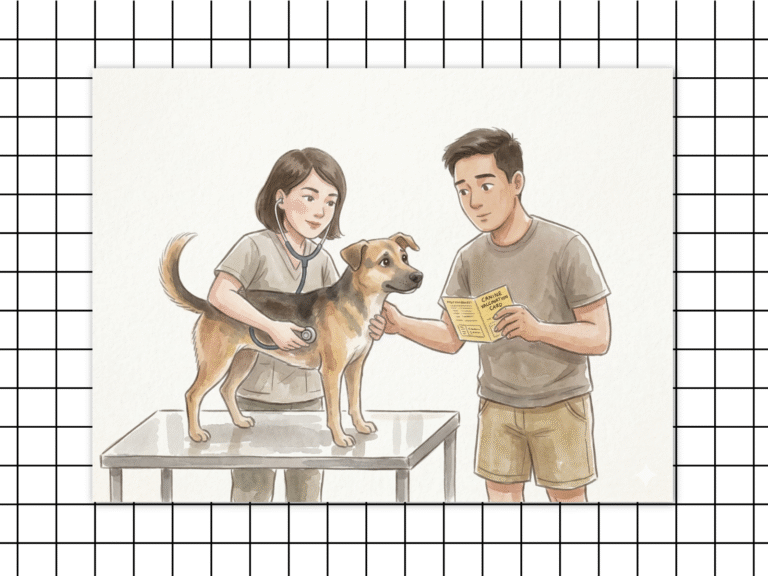
Establish a relationship with a reliable veterinary clinic and schedule your dog for an initial vet check. They may look healthy, but it’s always better to err on the side of caution. A vet can perform a health check and recommend some basic testing for your new pet. Many rescue dogs, especially those from the streets, can have parasites or tick-borne diseases, or have an unknown vaccination history. These can be addressed and resolved easily with the help of proper vet care, especially if caught early.
Vets often recommend a few days of observation before an initial visit. This lets your dog adjust and acclimate to a new environment, and for any hidden symptoms, like coughing, diarrhea, or skin issues, to appear.
Core Vaccinations
Vaccines help your dog fight against serious diseases. In the Philippines, core vaccines include: Rabies, Distemper, Parvovirus, and Hepatitis (Adenovirus). The last three are often given as a 5-in-1 or 8-in-1 combo vaccine, which may also protect against Leptospirosis, Parainfluenza, and Coronavirus.
Vaccination plans can differ based on factors such as age, medical history, and a veterinarian’s assessment. For puppies, the standard vaccination protocol begins with an initial 5-in-1 or 8-in-1 injection at 6 to 8 weeks old, followed by a booster shot administered between 8 to 10 weeks, and a third dose at 12 weeks, which is typically combined with the rabies vaccine. After completing this series, dogs receive annual booster shots. If vaccination history is unknown, the vet usually recommends that they follow the same schedule to ensure full protection.
Basic Health Tests
Here are some tests that your vet may recommend:
1. Fecalysis (Stool exam)
A fecalysis checks for internal parasites like roundworms, hookworms, giardia, or coccidia. Most rescued dogs need deworming even if they do not show any symptoms. Even pets who have lived in a home for some time require regular deworming as part of their preventive care.
2. Complete Blood Count (CBC)
A CBC is a common diagnostic test that helps vets assess overall health and identify infections, inflammation, anemia, or low platelets. This test is useful in revealing health problems with symptoms that may not be obvious or visible to our naked eye.
3. Tick-Borne Disease Test or Blood Smear
This test detects diseases carried by ticks such as Ehrlichia, Babesia, and Anaplasma. Tick-borne diseases are extremely common in the Philippines because our warm climate provides an ideal environment for ticks to survive and thrive. The test is quick and easy, usually providing a result within 10-15 minutes. All the vet needs from your pet is a blood sample.
4. Heartworm Test
Heartworm is spread by mosquitoes. It affects the heart, lungs, and blood vessels, and can be fatal if left untreated. Similar to a tick-borne disease test, it requires a blood sample.
Internal and external parasite treatment
After your dog is checked, the vet may recommend them to start the following:
Deworming: Every 2 weeks for puppies, then monthly or every three months for adults.
Flea and tick prevention: The most common types of flea and tick prevention are spot-on treatments and oral medication.
Heartworm prevention: This comes in the form of pills or chewables that can be given monthly.
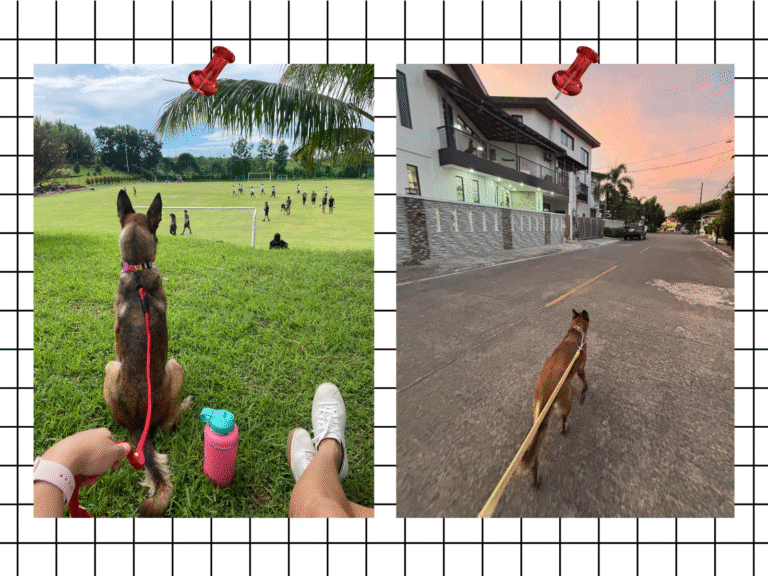
Since your dog needs daily walks and often will spend a lot of time outdoors, preventive care is important to keep them strong and protected from illnesses and parasites that may be present in the environment or on other dogs that they meet on walks.
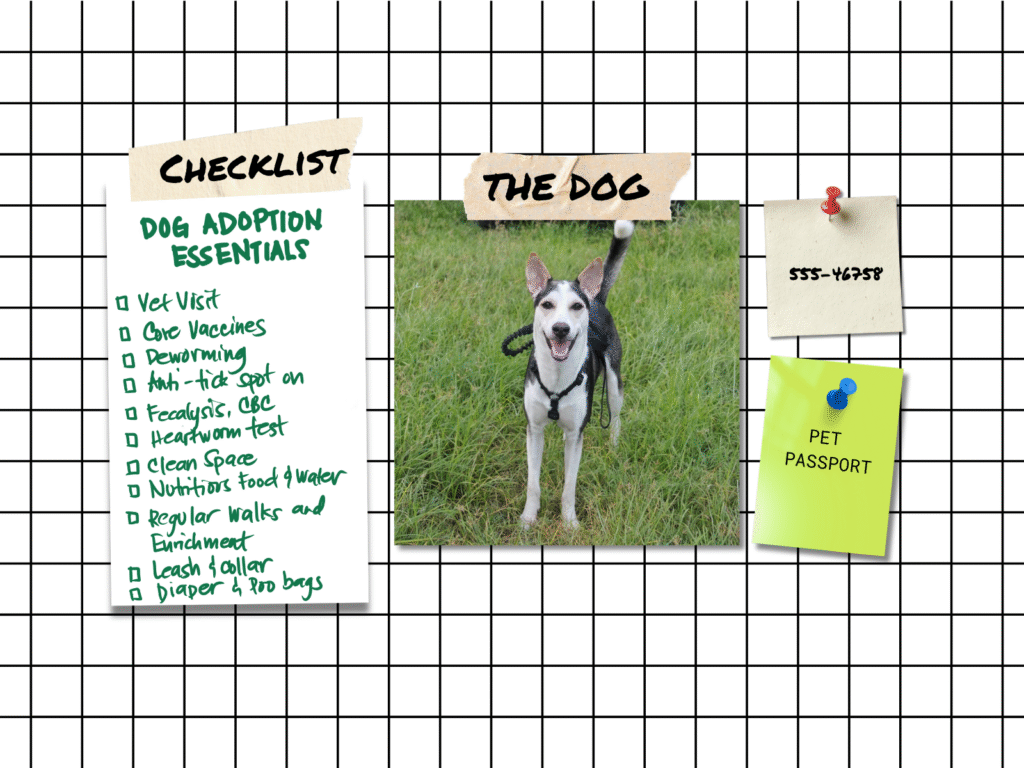
At home, you can continue to help keep your pet healthy by providing a clean space, a nutritious diet, fresh water, regular walks, and enrichment.
Final thoughts on adoption
Bringing home a new dog is not only about providing it with a space to live. It’s a commitment and responsibility that should last for their entire lifetime. As pet owners, we’re responsible for ensuring they receive regular wellness checks and proper care, so they have the best chance at a happy life with us. Pet adoption may feel overwhelming at first, but with the right research and preparation, you can give your new family member the safe, happy, and healthy life they deserve.