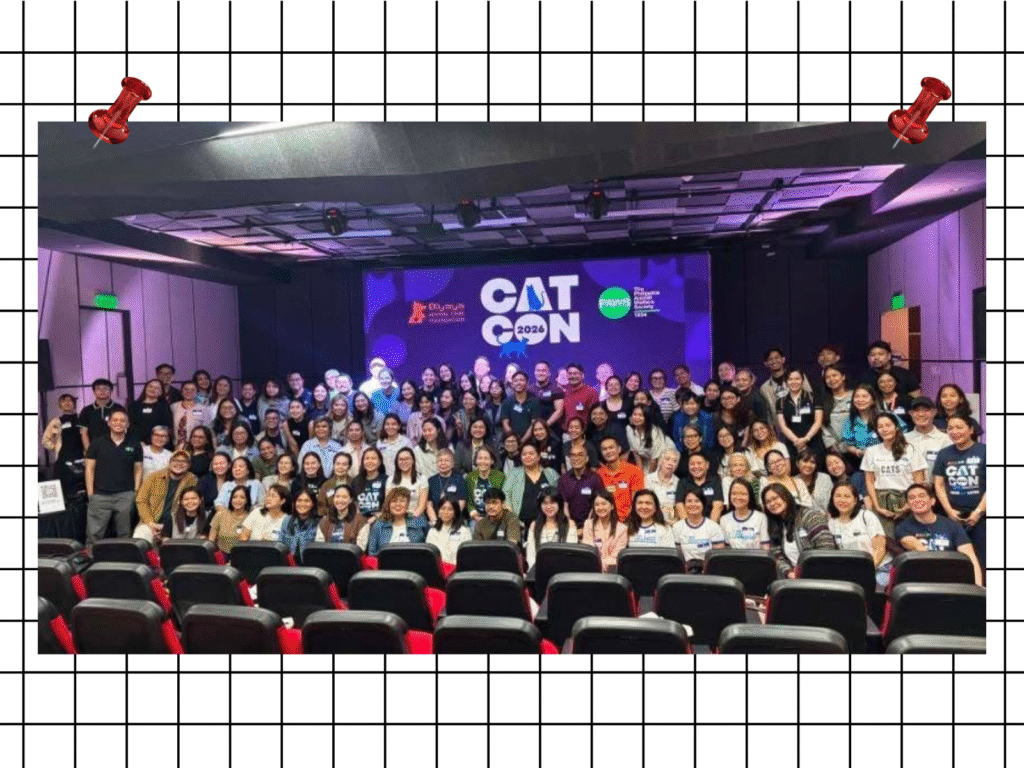
There is something intrinsically beautiful about events that gather a group of passionate people who believe wholeheartedly about the same cause.
The collective energy feels electric. It blooms from the heart of every person in the room and gradually spreads until the entire conference seems to vibrate with, dare I say it, hope.
Before entering the venue, you are one person doing your best to help the vulnerable animals you come across. A few hours later, you are part of a movement.
This is the beauty of community.
For a rare moment, changing the world doesn’t seem entirely impossible.
That is not to say that one event solved all our problems. At the end of CatCon, the same challenges remained. Our community cats were still vulnerable. Resources were still limited. The systems advocates struggle against had not suddenly changed.
But the problems no longer felt quite as insurmountable.
At the very least, we had each other. Comrades-in-arms in the same fight.
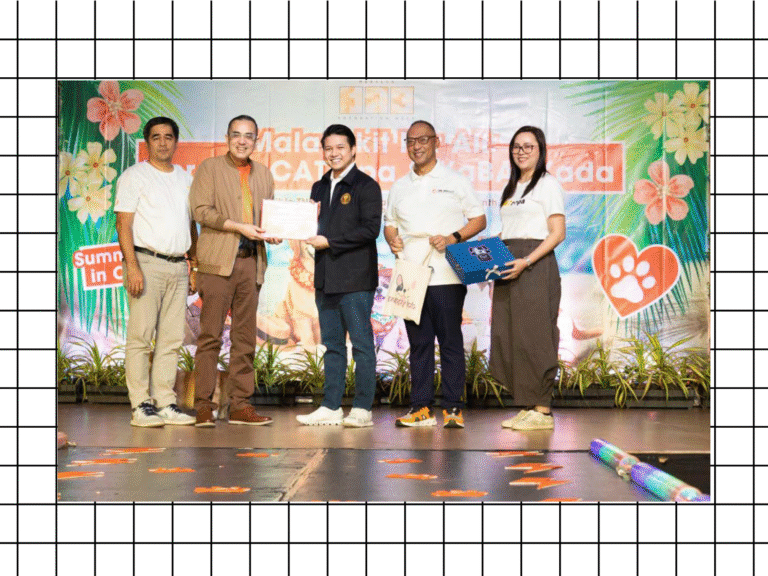
CatCon 2026 was, in the parlance of our times, lit. Co-presented by the Philippine Animal Welfare Society and Biyaya Animal Care, with Meralco as venue sponsor and logistics partner, the conference brought together animal welfare organizations, community cat groups, and independent rescuers for a day of meaningful conversations.
Rina Ortiz of Biyaya Animal Care shared a lot of wisdom as she talked about the rise of community cat welfare in the Philippines. She highlighted that the story was not about cats. It was about humans.
Atty. Anna Cabrera of PAWS spoke about the laws protecting community cats and how advocates can help make those protections real. Did you know that only the City Vet can be called to conduct catching operations for impoundment? Did you know that even your baranggay’s temporary holding facilities for animals require a permit from BAI?
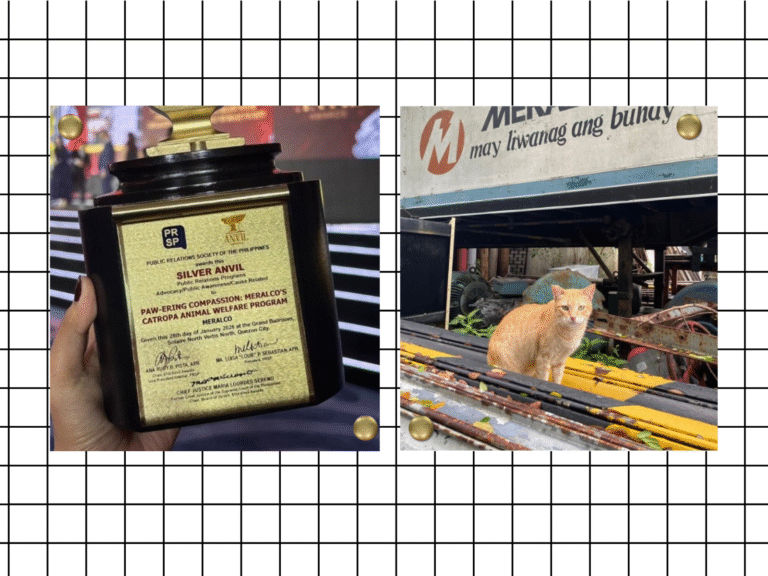
Michelle Caguioa shared how Meralco has institutionalized animal welfare within a large organization.
Carmel Puertollano presented the thoughtful, community-led practices of DLSU Pusa.
Dr. August Michael Basangan, City Veterinarian of Las Piñas, spoke about what becomes possible when LGUs and cat groups approach TNVR as partners rather than opposing camps.
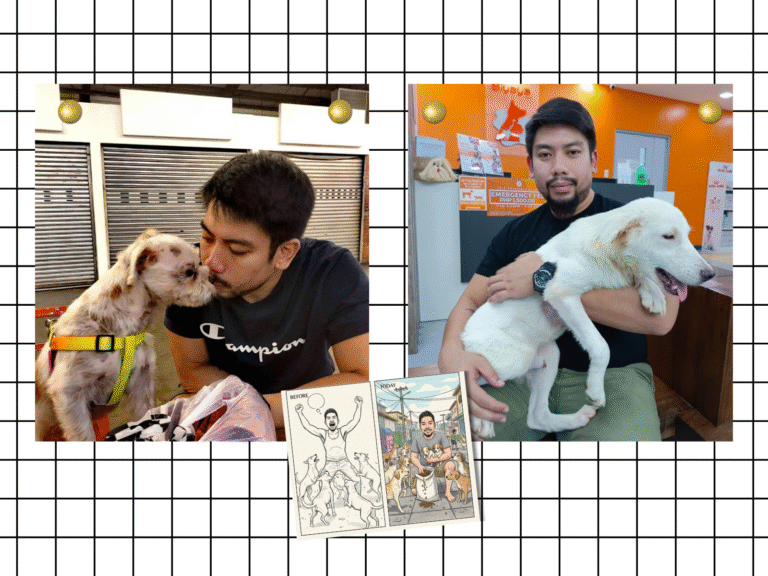
I was fortunate to be part of the program. My 18 years in the branding and communications industry placed me in a good position to share tips on how advocates can better communicate with condos, estates, and corporate decision-makers.
I thought all of the talks were candid, informative, and grounded in the realities of the work. More importantly, they gave advocates something we rarely have in copious amounts: reasons to believe that things can change for the better.
The audience listened with rapt attention. Perhaps this was because everyone understood the stakes.
A number of things united everyone in the room.
Each of us had, at some point in our lives, opened our heart to one particular cat who made us fall in love with all cats.
We have all had our hearts broken. We have all witnessed suffering we felt powerless to end.
We know how difficult it is to balance compassionate action with protecting our finances, our health, and our sanity.
We know the gut-wrenching feeling of learning that a community cat was hit by a vehicle or rounded up by the pound.
We are familiar with the lingering sting of unanswered questions when a cat simply stops showing up one day.
In these experiences, the advocates inside the Meralco Mini Theater shared an indelible connection. In a world where we often found ourselves needing to explain every single thing about the advocacy, during the conference, we found reprieve in the company of people who simply get it.
The community cat groups in attendance shone with their passion and with the immense love they carry for every cat in their care. You could see it in their faces when they spoke, when they teared up remembering the first cat that started it all for them.
Among the animal welfare groups in attendance were CARA Welfare, Cats of Ortigas, Cats of Trinoma, Cats of Salcedo Village, The Philippine Orthopedic Center Cat Club, Cats of Sorrento, Cats of BGC, Cats of Eastwood City, Cats of Pioneer, Acacia Estates Cat Collective, Cats of McKinley, Cats of Circulo Verde, Cats of Greenbelt, Cats of Quezon, Philam Furriends, Cats of Newport City, Cats of UP Baguio, GSIS Pet and Animal Welfare Society, Think Strays, Bark Mission, Adopt.ph, ADMU Kabalicat, Gatchoo Fam, The Crazy Cat Dude, You and A Pusa, my very own Kapon Ampon, and many others.
I have always had a particular soft spot for community cat caregivers because the work can be profoundly lonely. We often feel misunderstood within our own circles, sometimes even by our families and closest friends.
And who can blame them? Not everyone will understand why feeding the cats who live beneath an abandoned car can be the highlight of our day, or why doing TNVR on a weekend trumps a beach trip.
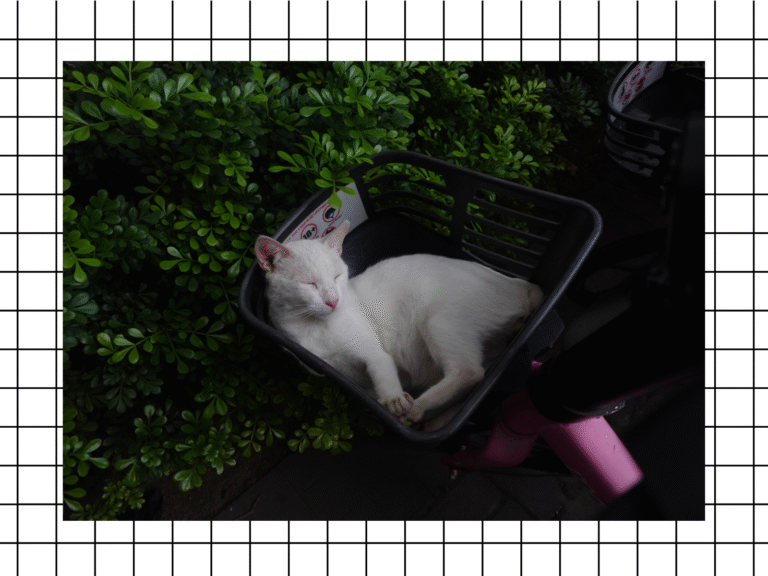
We form deep connections with cats we do not own. To a community cat caregiver, every cat is special. We know their names, their meows, their habits. Catriona likes sleeping beneath the food truck in the afternoons. Zendaya loves climbing trees. Will Feral has no teeth and eats only wet food.
We worry about them constantly. We think about them even after they stop coming around. We wish our humble homes were mansions so we could take every one of them in.
Who else could fully understand this but another community cat caregiver?
The breakout sessions were among my favorite parts of CatCon because, for once, we were not trying to solve problems alone. We sat beside people who cared about animals as deeply as we did. We spoke honestly about our challenges, shared what we had learned, and worked through possible solutions together.
I joined the group that tackled concerns involving LGUs, and I was pleased to note that among the participants were Dr. Emma Mejia-Sanchez, City Veterinarian of Pasig City; Dr. Michael Basangan, City Veterinarian of Las Piñas City; and Dr. Henry Barbero, Chief of Quezon City’s City Pound Division. The discussion was lively, to say the least.
What made the format especially brilliant was that each group chose a representative to present its key insights to the entire conference. In this way, every discussion became part of the larger conversation, allowing the whole audience to benefit from the experiences, questions, and ideas of each group. It is a format often used in international conferences, including those of the United Nations, and it made the exchange feel both democratic and genuinely collaborative.
Of course, there was no illusion that the answers would be simple. But there was comfort in realizing that somewhere in the room, someone had encountered a version of the problem you were facing and might know what to do next.
At one point during the conference, I looked around the theater and was struck by the abundance of compassion and kindness gathered in a single venue.
I was surrounded by people I deeply admire. Many of them are my idols. I have tremendous respect for the work they do and for the ways they continue to show up for animals every day.
CatCon 2026 was such a gift, and I am so glad I was there.
I was grateful for the opportunity to speak before so many cat groups and share what I have learned through my own work. I was equally grateful to learn from the experiences, knowledge, and hard-won wisdom of the advocates around me.
Thank you, PAWS and Biyaya Animal Care. I will always be thankful for the moment your organizations decided to work together and bring CatCon to all of us.
May this be only the beginning.