“Why does New Year need to be loud?” I asked my mother when I was little.
“It’s to drive away evil spirits,” she said.
It was the ’90s, and New Year’s Eve was the loudest it has ever been.
In our house, we only ever had sparklers and fountains, the ever-present torotot, and our stereo cranked up high. Nothing that rattled the walls.
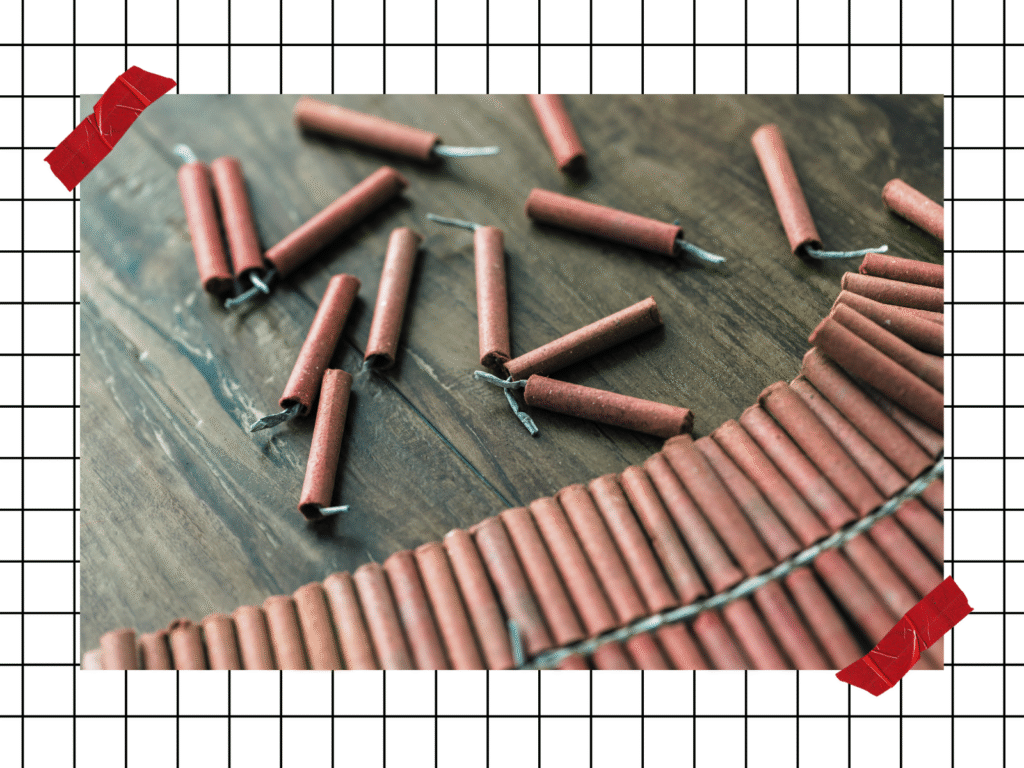
Outside, though, it felt like an invasion. Our neighbors stocked up on Judas Belts, Triangles, Piccolos, and Boga. The night would crack open with every blast. You felt every boom in your chest. It was an arms race, led mostly by men. I overheard the talk. Loudness was a measure of bravado, and decibels were a measure of masculinity.
Our dogs would bolt for cover, shaking under couches and beds. I was always the one tasked with bringing them into my room, shutting the door, sitting with them as the noise raged on outside.
When the paputok began on New Year’s Eve, it never felt like we were chasing away bad luck. It felt like we were simply riding out the noise. We were hunkered down until the explosions stopped. The louder the night grew, the more anxious everything became, human and animal alike. If this was how we welcomed the new year, I wondered, what exactly were we inviting in?
Firecrackers Are Not Just Dangerous. They Are Outdated.
In recent years, New Year’s celebrations have grown noticeably quieter. Public awareness of the perils posed by firecrackers has increased, and many local government units have responded with ordinances and executive orders regulating their sale and use. Some have confined fireworks to designated zones or sanctioned displays. These are real gains. But they are not enough. Even in reduced form, paputok remains deeply embedded in how many communities mark the new year, and the harm continues.
Gone are the years when louder meant better. Firecrackers are increasingly cringe, as Gen Z would say. Not only because they injure children, terrify animals, and pollute the air, but because they are out of step with who we are. In an age of climate anxiety, mental health awareness, and heightened empathy for animals, exploding things for fun feels less like tradition and more like baseless resistance: a refusal to imagine better ways of marking time.
Animals Have Changed the Conversation
For many households, the turning point wasn’t a statistic or an ordinance. It was their dog shaking under the bed. Their cat bolting in panic. Their rescue animal reliving something it survived once already.
Animals have a way of clarifying our ethics. They don’t care about tradition. They respond only to experience. And the experience of fireworks, for pets, strays, and wildlife alike, is fear.
Once you see that clearly, it’s hard to unsee. And once you can’t unsee it, continuing the tradition starts to feel less like heritage and more like indifference.
An Opportunity for Brands and LGUs
Here’s where brands and LGUs should pay attention.
Firecrackers used to signal festivity. Now they increasingly signal tone-deafness. I believe that more Filipinos now want meaning. They want connection. They want celebrations that feel thoughtful, not performative.
If you’re someone who does marketing and communications for brands, this is an opportunity. If you’re in charge of mounting public events for your municipality, listen closely.
Light shows. Community countdowns. Music, art, projection mapping. Gatherings that foster connection and do not require anyone, human or animal, to endure trauma for the sake of spectacle. These are not deemed compromises. These are thoughtful upgrades.
Brands and municipalities that recognize this will look perceptive and intentional.
A Reminder From PAWS and EcoWaste Coalition
Animal welfare and environmental advocates are renewing calls for firecracker- and fireworks-free celebrations, urging Filipinos to consider alternatives.
Suggested alternatives include using reusable noisemakers made from household or recycled materials, hosting music festivals, or creating light displays that do not rely on explosives. Simple rituals, shared meals, neighborhood gatherings, talent shows, or synchronized countdowns using bells or clappers, can foster the same sense of collective celebration without the fear, injuries, or pollution.
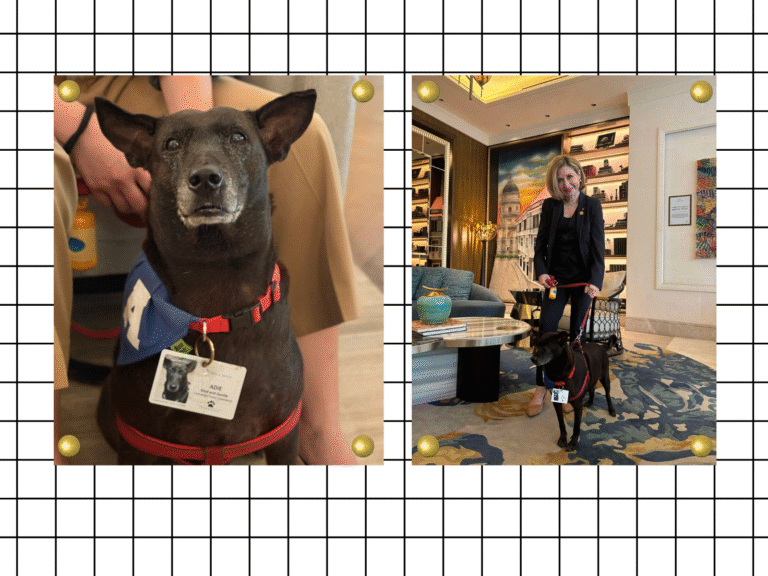
This message was underscored on Sunday by the EcoWaste Coalition and the Philippine Animal Welfare Society, which marked the season through an “Iwas PapuToxic” activity at Ayala Malls Vertis North. Pet parents and their animals joined a short indoor parade to remind the public of the dangers posed by loud and toxic New Year celebrations.