I didn’t grow up loving animals the way people imagine animal advocates do.
I grew up around relatives who were dog breeders. Seeing dogs live in cages was normal to me. They were fed, but rarely experienced freedom or affection. There was no real care or tenderness. When they died, it was simply accepted and quickly moved on from, because they were never seen as companions.
I was not allowed to have a dog until I was 18. When I finally had a family dog, I realized how lucky he was. He slept on the bed with us, ate good food, and was loved. I felt bad for strays and other animals who did not live the same way, but that feeling never turned into action. I believed that strays lived hard lives because they were strays—and that they were not my responsibility.
Everything started to change when I joined Facebook groups for dog and cat rescues. Every day, I saw posts about abuse, neglect, and abandonment. I cried often. It hurt to see what animals were going through, but I still stopped there. I felt sad, then moved on, telling myself that shelters and rescue groups were already tagged and that someone else would help.
Until one day, I asked myself if I could do something too.
I could not foster or adopt, but I tried helping with rescues. The first dog I helped save had been abandoned and tied inside a bathroom for two months. He was scared and aggressive at first, but with patience—and help from other rescuers—he was safely rescued and adopted the next day. Seeing how gentle he truly was changed something in me.
I kept going. I rescued another dog from the same Facebook group and adopted her. My family also began adopting senior dogs from my relatives—dogs who had spent their entire lives in cages and were used for breeding only while they were considered useful. Others were adopted into loving homes.
That was when I realized something important: taking action feels very different from simply feeling sorry. Pity does not change anything, and tagging posts does not guarantee help will come.
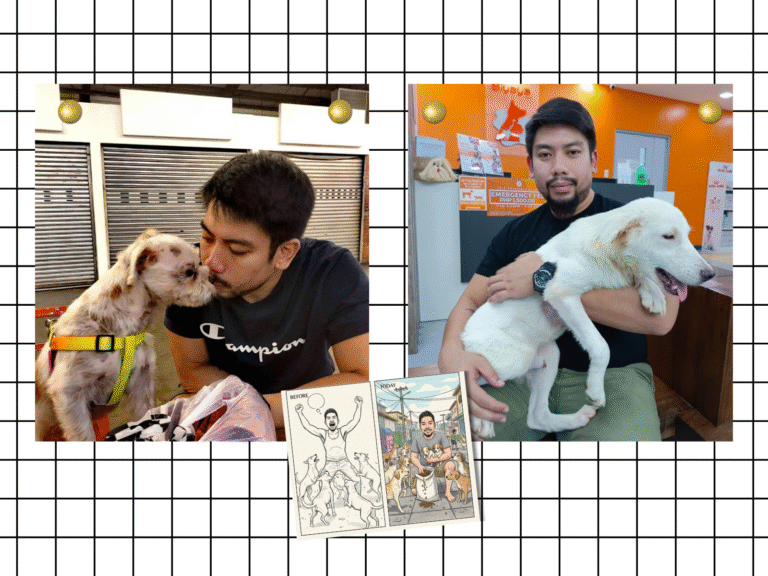
I started adopt.ph because I wanted one space where people could easily find animals looking for homes. While my personal account reached different audiences, creating adopt.ph allowed me to connect directly with people who cared about animals and adoption. Having a focused platform gave the work clearer direction and purpose. Every time an animal is adopted through the page, it reminds me why starting it was worth it.
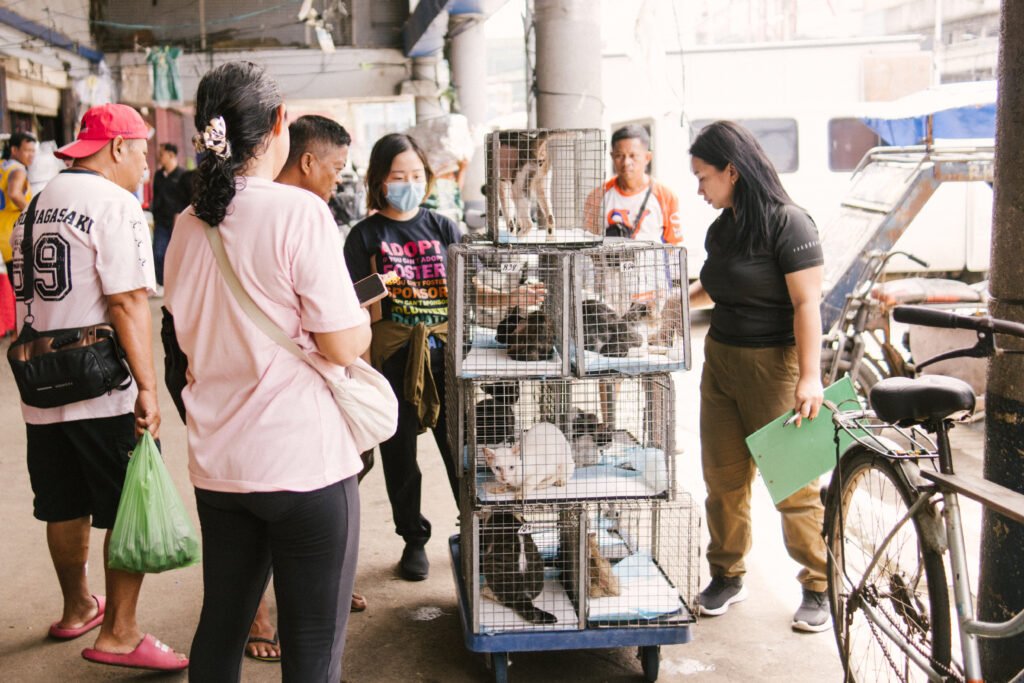
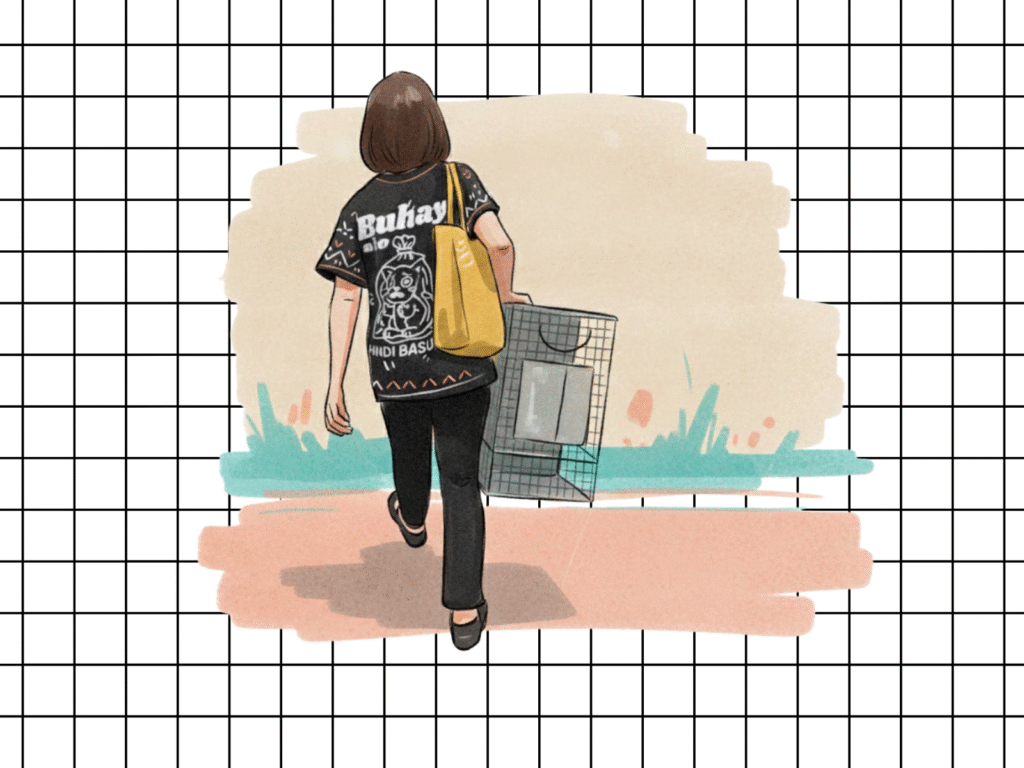
The biggest shift happened when I started working in Tondo. I saw the reality of stray life up close—sick kittens, starving cats, animals with no one looking out for them. Rescue alone was not enough. The problem kept repeating, and that was when I turned to TNVR. That was also when I understood why someone I knew had been doing TNVR on her own in her area, and how essential it is in preventing litters from being born only to suffer.
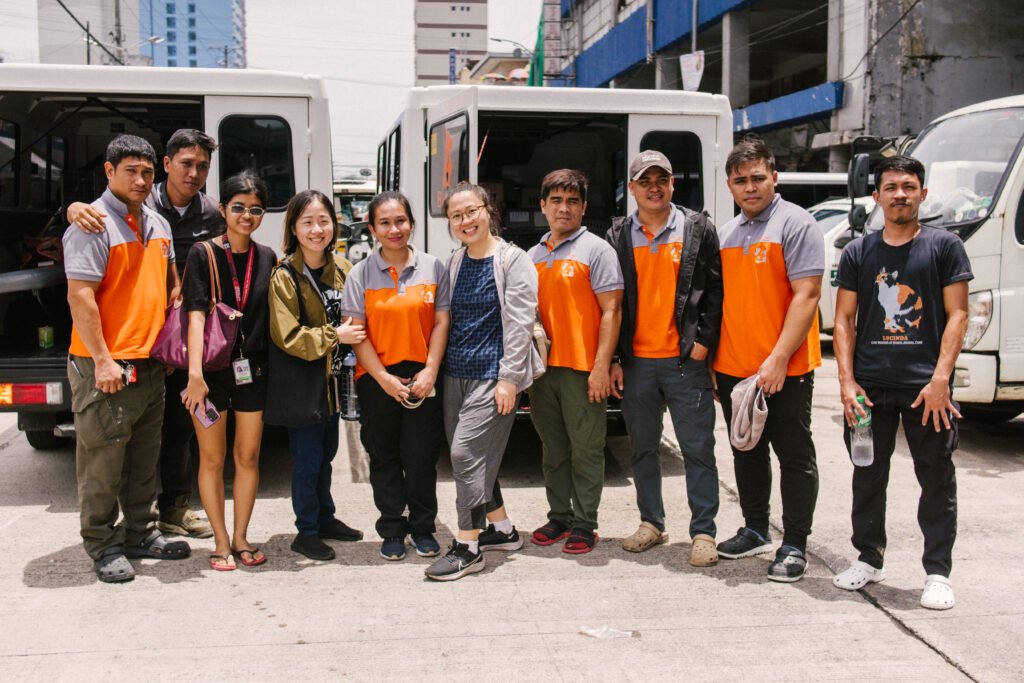
My first TNVR with Biyaya Animal Care was for 30 cats. I thought it would be my last because shouldering all the costs on my own felt too heavy. But when another TNVR was clearly needed, I reached out through my page. People showed up. Donors and sponsors made it possible, and I realized that many people want to help—they just need someone to bridge the gap.
Since then, we have done multiple TNVRs and helped hundreds of animals.
I am not special. I was not born an advocate. I was once someone who felt bad and did nothing. What changed me was choosing to act, even in small ways—and choosing to keep going.
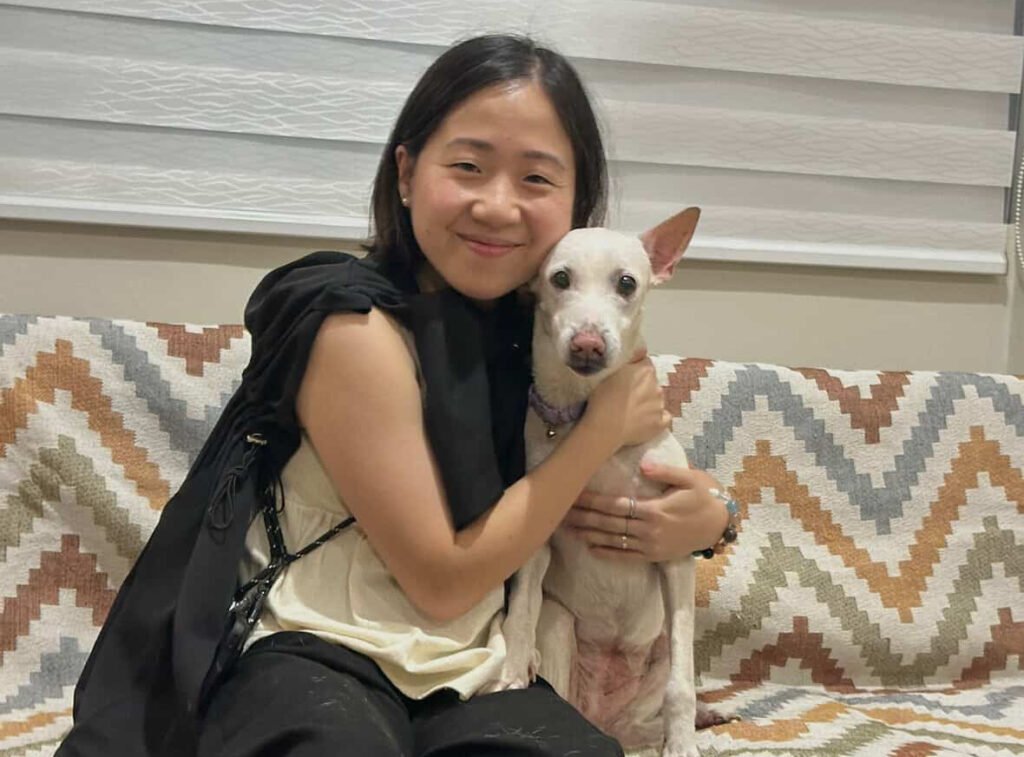
Animal advocates are not born. They are made when ordinary people decide not to look away anymore.
Being an animal advocate does not mean doing everything. It means doing something, consistently.
Feeding strays. Choosing spay and neuter. Supporting TNVR. Educating others. Showing up.
That is how ordinary people become animal advocates.