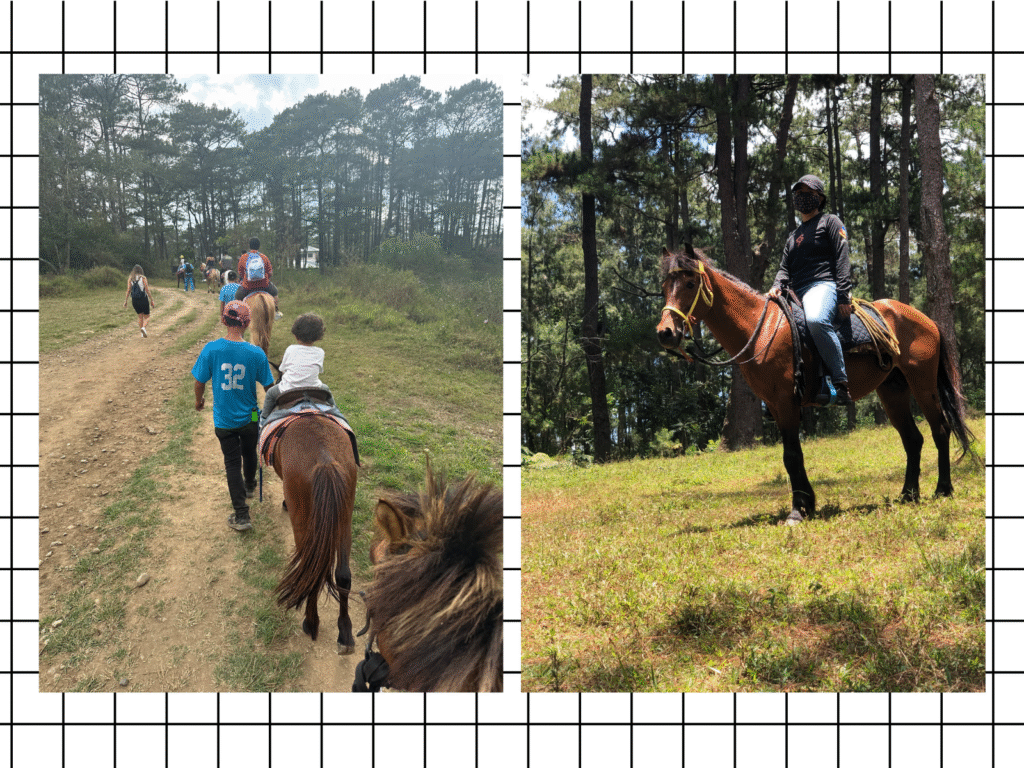
Growing up in Baguio City, the rhythmic clip-clop of hooves peppered the soundtrack of my childhood. To me, horses were never just “attractions”; they were the rugged, dignified heartbeat of the mountains.
But as an adult traveling through Manila and other urban hubs, that childhood reverence has often been met with a sobering reality. It’s especially palpable this “Year of the Horse” with all the red banners and (non-biodegradeable) plastic trinkets, where everyone is talking about galloping into the new year with strength and vitality while the living inspiration for the zodiac symbol stands gaunt and exhausted, head hung low. If we want this year to be “legit,” we have to stop looking at the icon and start looking at the animal.
The Gold Standard of Care
Legitimate advocacy begins with education. I spoke with Adrianne Yñiguez, an equine welfare advocate, Baguio resident, and senior veterinary medicine student at UP Los Baños, about what these animals actually need to thrive.
“Many of the issues I see personally involve nutrition, stabling, workload management, hoof care, choice of tack, and access to veterinary attention,” Yñiguez explains.
While a horse might look “fine” to a passerby, their needs are definitely more complex. Working horses, like those pulling carriages or carrying riders, require more than just grass; they need “concentrates” (feed) to sustain their energy. If you see ribs sharply visible or protruding hip bones, it’s a clear sign the horse’s “fuel” isn’t matching its output.
How to Spot a Horse in Distress
You don’t need a veterinary degree to recognize neglect. This year, make your patronage count by looking for these red flags:
-
Body Condition: Are the ribs or hip bones sharply protruding?
-
Physical Trauma: Are there raw sores from ill-fitting saddles (tack)? Are the hooves overgrown or cracked?
-
Behavioral Cues: Is the horse lethargic, irritable, or standing with a guarded, uneven gait?
Hoof care is particularly vital. Yñiguez notes that trimming cycles should happen every four to eight weeks. Without this, a horse faces a lifetime of chronic pain and lameness.
Support the Handler, Protect the Horse
The conversation around tourism horses is nuanced. In places like Baguio, these animals are the primary source of income for many families.
“Support horse handlers and operators who demonstrate responsible care,” Yñiguez advises. “In places like Baguio, horse rental payments primarily go to feed, medical care, hoof care, and daily upkeep before any income supports their households.”
Real advocacy doesn’t always mean a boycott; it requires a holistic support system that addresses the root causes of equine neglect. While individual consumers can reward responsible handlers by choosing horses that appear well-rested and hydrated, long-term welfare depends on more than just discerning tourism. It requires a collective effort to ensure all handlers have access to affordable feed, professional farrier services, and more comprehensive veterinary education. By supporting structured community programs and stable infrastructure, we ensure that the financial burden of care doesn’t fall solely on the handler, creating a sustainable environment where both the horse and the livelihood can thrive.
The Path to Real Prosperity
Initiatives like the Horse Health Clinic, which is a collaboration between the Baguio City Veterinary Office, International Veterinary Outreach (IVO), and Benguet State University, prove that advocacy and livelihood can move in the same direction. They provide free vaccinations, dental care, and farrier services, ensuring the horses are as healthy as the industry they support.
This Year of the Horse, let’s move beyond the decorative and toward the protective. Horses have carried humanity through our history; the least we can do is ensure their journey forward is one of dignity. That is where real prosperity begins.