In the animal kingdom, communication is survival. Every purr, bark, growl, and cry carries meaning. Among humans, the most dangerous language is often the one that sounds benign. The kind that slides past our ears without setting off alarm bells, even when they should.
Take, for example, the language of “adoption” in the pet trade.
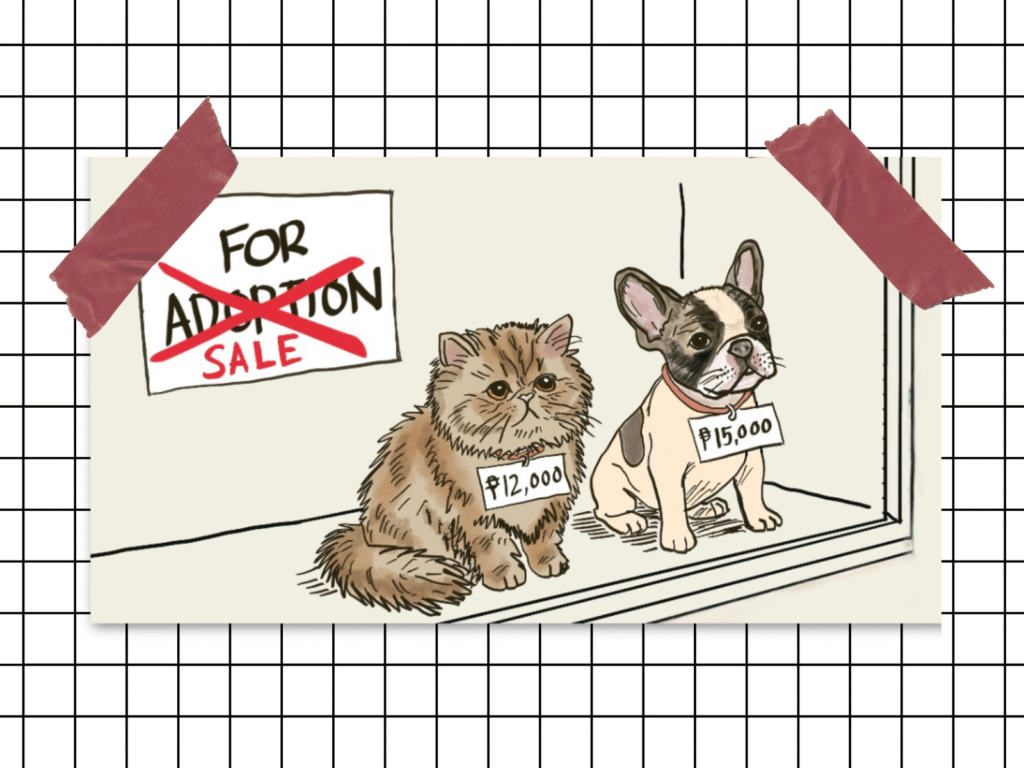
All across social media, you’ll find pet sellers posting images of purebred puppies and kittens, accompanied by captions that say things like “Ready for adoption” or “Adopt this baby now.” The words are soft. Familiar and comforting. They conjure images of good intentions and second chances.
But when money changes hands, when profit drives the transaction, and when the seller has a constant “inventory” of puppies or kittens, they are not offering adoption. They are selling an animal. And we need to call it what it is.
The Problem with Calling It Adoption
Adoption, in its true form, is rooted in care. The goal is not profit, but placement. The process typically includes a screening of potential adopters, discussions about fit and environment, vaccination records, an agreement to spay and neuter, and sometimes a fee that merely covers basic care. When you adopt from a shelter or rescue, you’re participating in a system designed to protect animals and promote responsible pet ownership.
This is vastly different from what happens in commercial breeding or casual backyard selling, where animals are treated as commodities and sold off to the highest, or fastest, bidder.
Buying a pet from a breeder who asks no questions and makes no effort to find out if you are capable of caring for the animal responsibly for the entire duration of their life, is not adoption. It’s a sale.
The problem we’re talking about here is in the language. When pet sellers co-opt the word “adoption,” they borrow the credibility and kindness associated with rescue work. They exploit the empathy people have for homeless animals and use it to sell living creatures as products.
This is both misleading and harmful.
Why It Matters
It’s easy to dismiss this as semantics. But in a country already overwhelmed by stray animals, overpopulation, and abandonment, confusing commerce with compassion supports a system that only exacerbates existing problems.
Bottomline, conversations stir reformation. It is only through changes in our language that we begin to take the first steps toward bettering the future for animals. Simply knowing the contrast between adopting and buying makes a huge difference in healing and protecting the thousands of animals subjected to the torturous cycle of breeding and the commercialization of their lives.
Call It What It Is
Language should reflect truth. If we want a future where animals are treated as family, not inventory, we need to stop calling sales, adoptions.
If you’re buying, say so. If you’re adopting, know the difference.
Because the words we choose shape the world.